
Lace curtains have long been celebrated for their timeless elegance and ability to transform any living space into a refined, classic haven. Among the many options available, the lace curtain irish stands out for its delicate craftsmanship and intricate designs, often featuring floral patterns, geometric shapes, and hand-stitched details. These curtains offer both aesthetic appeal and practical benefits, allowing natural light to filter softly while providing a degree of privacy.
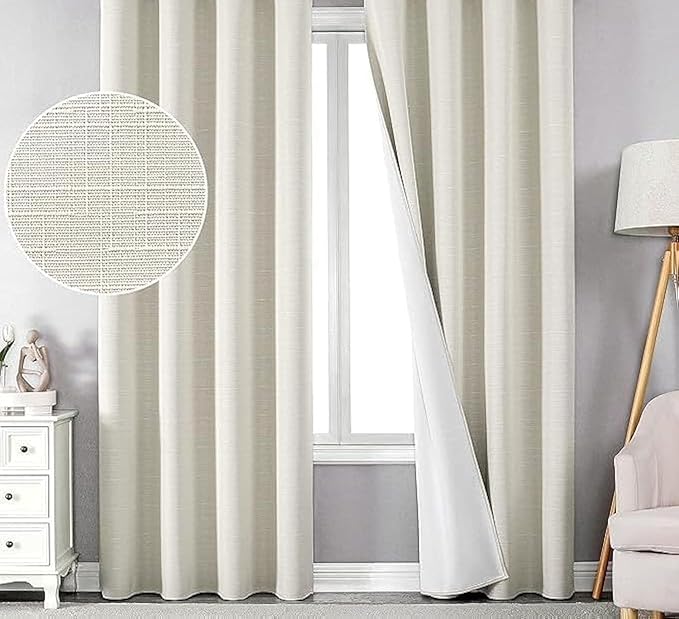
When selecting the right lace curtains for your home, it is essential to consider not only their visual appeal but also their material, maintenance requirements, and compatibility with your interior decor. Understanding the unique qualities of Irish lace curtains can help homeowners make informed choices that enhance both functionality and style. This guide delves into various aspects of lace curtains, offering practical tips and expert insights for anyone looking to incorporate them into their living spaces.
Lace curtains can serve as a versatile decorative element. They pair well with modern, minimalist interiors as well as traditional, vintage-inspired designs. Their delicate patterns often soften the hard lines of furniture and architectural features, adding an air of sophistication to any room. Whether you are redecorating a living room, bedroom, or even a dining area, Irish lace curtains can create a cozy yet elegant atmosphere.
Understanding the History and Origins of Lace Curtains
Lace curtains have a rich history that spans several centuries and cultures. The art of lace-making originated in Europe during the 15th and 16th centuries, with intricate needlework and bobbin lace becoming symbols of status and refinement. Irish lace, in particular, gained popularity in the 19th century, celebrated for its fine craftsmanship and unique patterns that often depict natural motifs such as flowers, leaves, and vines.
Historically, lace curtains were a luxury item reserved for the homes of the wealthy. The painstaking handwork required to produce authentic Irish lace meant that each piece was unique and highly valued. Over time, the production of lace expanded, and machine-made lace became available, making these beautiful textiles more accessible to a wider audience. Today, lace curtains continue to carry the charm and sophistication of their historical origins, offering homeowners an elegant way to enhance their interiors.
Understanding the history of lace curtains also provides insight into their cultural significance. Irish lace, for example, is often associated with craftsmanship passed down through generations, reflecting the artistry and dedication of skilled artisans. This heritage adds depth and meaning to the choice of lace curtains, making them not just decorative items but also pieces that connect modern homes to a rich cultural tradition.
Different Types of Lace Curtain Fabrics and Textures
Lace curtains come in a wide variety of fabrics and textures, each offering distinct visual effects and practical benefits. Common materials include cotton, linen, polyester, and silk blends, with each type suited to different aesthetic preferences and room environments.
- Cotton Lace: Soft and breathable, cotton lace is ideal for rooms that require natural light and airflow. It has a casual, welcoming feel and is easy to maintain.
- Linen Lace: Linen lace offers a slightly stiffer texture, which helps curtains maintain their shape. Its natural fibers create a rustic, organic look suitable for traditional and farmhouse-style interiors.
- Polyester Lace: Durable and resistant to wrinkles, polyester lace is perfect for high-traffic areas or homes with pets and children. Modern polyester blends can mimic the appearance of delicate hand-made lace while providing greater longevity.
- Silk Blend Lace: Luxurious and smooth, silk blend lace exudes opulence and works well in formal living rooms or master bedrooms. Its reflective quality enhances the play of light and shadow in the room.
Textures also vary widely, from fine, open-weave lace that allows maximum light filtration to denser patterns that offer more privacy. When choosing a lace curtain, consider both the material and the pattern density to achieve the desired balance between aesthetics and functionality.
How to Measure Windows for a Perfect Lace Curtain Fit
Proper measurements are crucial for ensuring that lace curtains hang correctly and complement the window frame. To measure accurately, start by assessing both the width and height of the window, accounting for any moldings or trim.
- Width Measurement: Measure the full width of the window frame and add an extra 10–20% for curtain fullness. This ensures that the curtain will drape elegantly and create soft folds.
- Height Measurement: Measure from the top of the curtain rod to the windowsill or floor, depending on whether you want the curtains to stop at the sill or extend to the floor.
- Curtain Rod Positioning: Consider the placement of the rod above the window. Mounting the rod higher than the window frame can make the room feel taller and more spacious.
- Allow for Layering: If you plan to use lace curtains with heavier drapes or blinds in Dubai, make sure to measure for enough space to accommodate both layers without crowding.
Accurate measurements prevent gaps, uneven hems, and awkward bunching, ensuring that your lace curtains enhance the window rather than detract from it.
Comparing Lace Curtains with Other Types of Window Treatments
Lace curtains are just one option among a wide array of window treatments, each offering different benefits. Understanding how lace curtains compare to other options can help homeowners make an informed decision.
- Sheer Curtains: Similar to lace in their light-filtering qualities, sheer curtains tend to have a simpler design and less intricate patterns. Lace provides more decorative detail.
- Blackout Curtains: These offer maximum privacy and light control but can feel heavy and block natural light. Pairing lace curtains with blackout layers allows for both aesthetics and functionality.
- Venetian or Roller Blinds: Blinds provide precise control over light and privacy but lack the softness and decorative appeal of lace curtains. Combining sedar curtains UAE with blinds can create a layered, sophisticated look.
- Brocade or Heavy Drapes: Heavier fabrics offer a luxurious appearance and insulation but may overwhelm smaller windows. Lace curtains provide a lighter, airy alternative while still adding elegance.
By comparing options, homeowners can choose the treatment that best meets their needs for light control, privacy, and interior design.
Best Practices for Maintaining and Cleaning Lace Curtains
Maintaining lace curtains is essential to preserve their delicate structure and appearance. The following practices help extend the life of your curtains:
- Regular Dusting: Use a soft brush or vacuum with a gentle attachment to remove dust regularly.
- Hand Washing: Many lace fabrics benefit from hand washing in lukewarm water with mild detergent. Avoid wringing to prevent stretching.
- Machine Washing: If machine washing is necessary, place curtains in a mesh laundry bag and select a gentle cycle.
- Drying: Air drying is recommended to avoid heat damage. Hang curtains to dry naturally, ensuring they are properly supported to prevent stretching.
- Ironing: Use a low-heat iron if needed, placing a cloth between the iron and lace fabric to prevent scorching.
Proper maintenance keeps the curtains looking fresh and preserves the intricate patterns that make lace so appealing.
Decorating Tips for Pairing Lace Curtains with Various Home Styles
Lace curtains can complement a range of interior design styles, from traditional to contemporary. Here are practical decorating tips:
- Classic Interiors: Pair lace curtains with antique furniture and neutral color palettes to enhance the room’s elegance.
- Modern Minimalist Rooms: Use simple, white or cream lace patterns to soften stark lines without overwhelming the space.
- Bohemian Designs: Combine lace curtains with layered fabrics, vibrant textures, and eclectic decor to create a relaxed, artistic vibe.
- Rustic or Farmhouse Homes: Linen lace works well with wooden furniture and natural textures, enhancing a cozy, homely atmosphere.
Layering lace with other window treatments, such as curtain installation Abu Dhabi, can further enhance the room’s design while offering flexibility in light and privacy control.
How to Enhance Natural Light While Maintaining Privacy
One of the main advantages of lace curtains is their ability to diffuse natural light while maintaining a sense of privacy. To maximize this benefit:
- Choose Open Weave Patterns: Open designs allow sunlight to filter through while still obscuring interior details from outside view.
- Layer with Blinds or Shades: Pairing lace curtains with adjustable blinds allows for precise light control throughout the day.
- Use Light Colors: White or cream lace reflects sunlight, brightening rooms without harsh glare.
- Position Strategically: Hang lace curtains closer to the window to maximize light penetration while softening shadows.
Balancing light and privacy enhances the comfort and ambiance of any room.
Seasonal Decor Ideas with Lace Curtains
Lace curtains can be adapted to seasonal changes to keep interiors fresh and inviting:
- Spring: Pair with pastel-colored accessories and floral arrangements to complement the delicate patterns of lace.
- Summer: Keep lace curtains light and airy to enhance ventilation and reduce heat buildup.
- Autumn: Layer with warm-toned drapes to add a cozy feel while maintaining elegance.
- Winter: Combine lace with heavier fabrics for insulation and a festive look, using patterns that evoke seasonal themes.
By incorporating seasonal touches, lace curtains remain versatile and visually appealing year-round.
Conclusion
Lace curtains, particularly the lace curtain irish, offer an elegant solution for enhancing the aesthetic and functionality of any living space. Understanding their history, fabric types, measurement techniques, and maintenance requirements ensures homeowners can make informed choices that elevate interior decor. Whether layered with blinds, paired with other curtains, or used alone, lace curtains provide a unique blend of beauty, light filtration, and subtle privacy. Incorporating these versatile textiles into your home can transform ordinary windows into sophisticated design features that reflect both tradition and modern style.
FAQ
- What are the main benefits of lace curtains?
Lace curtains offer a delicate aesthetic, allow natural light to filter through, and provide a degree of privacy. They enhance the elegance of any room while complementing various interior styles. - How do lace curtains differ from regular curtains?
Unlike regular curtains, lace curtains are typically lighter, featuring intricate patterns that allow light to pass through. They are often more decorative and suitable for layering with other window treatments. - Can lace curtains be used in modern home designs?
Yes, lace curtains can soften modern interiors by adding texture and elegance. Simple patterns and neutral colors work well in minimalist and contemporary designs. - What materials are lace curtains made from?
Common materials include cotton, linen, polyester, and silk blends. Each offers distinct textures, durability, and visual effects suitable for different rooms and climates. - How do I properly clean and maintain lace curtains?
Regular dusting, gentle hand washing, air drying, and low-heat ironing are recommended. Using these methods helps preserve delicate patterns and fabric integrity. - Are lace curtains suitable for all window sizes?
Yes, lace curtains can be customized to fit windows of any size. Proper measurements and rod placement ensure an elegant, tailored appearance. - How can lace curtains improve room aesthetics?
They add softness, texture, and intricate design details to windows, enhancing both natural light and overall interior decor. Pairing with complementary furnishings and treatments creates a cohesive look. - Can lace curtains be layered with other window treatments?
Absolutely. Layering with blinds Dubai or heavier curtains allows for greater control over light, privacy, and design flexibility. - What is the difference between handmade and machine-made lace curtains?
Handmade lace is often more intricate and unique, reflecting traditional craftsmanship. Machine-made lace offers consistent patterns and is more affordable, while still providing elegance. - How do I choose the best lace curtain pattern for my room?
Consider the room’s style, window size, and desired light levels. Floral and geometric patterns work well for classic designs, while subtle, simple lace suits modern interiors. - Can lace curtains help with energy efficiency?
Layering lace curtains with heavier drapes or using them alongside sedar curtains UAE can reduce heat gain and retain warmth, contributing to energy efficiency.
