
Office interiors have evolved significantly over the years. Modern workspaces are no longer designed solely for functionality; they are now carefully planned environments that support productivity, comfort, creativity, and employee well-being. Among the many elements that shape office interiors, curtains play an important role in managing light, improving privacy, and enhancing the overall atmosphere.
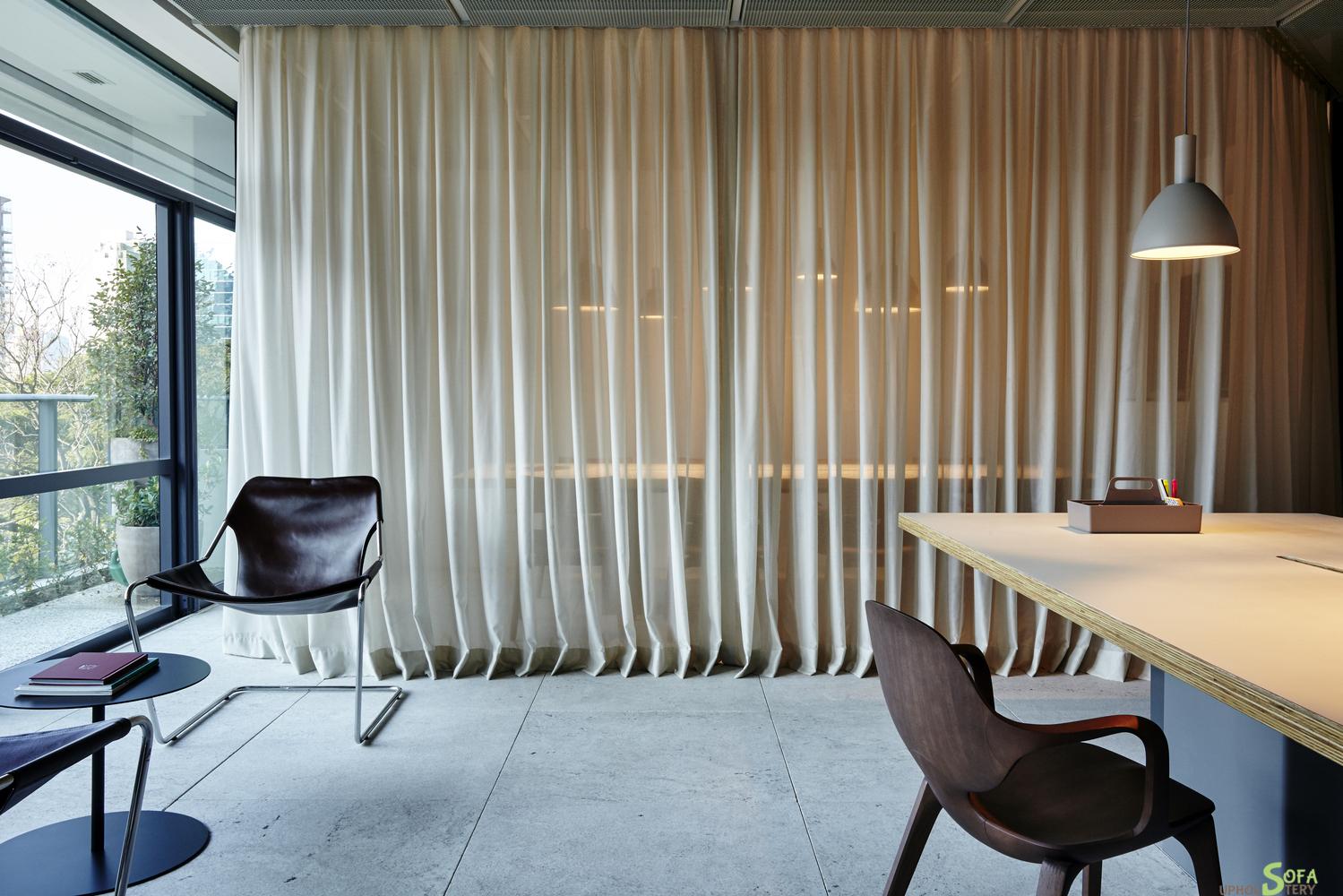
Office curtains influence how employees experience their work environment throughout the day. The right curtain style can reduce glare, soften harsh lighting, and create a professional appearance without making the space feel cold or overly formal. Understanding curtain materials, layouts, colors, and maintenance needs helps businesses create more balanced and efficient workspaces.
How office curtain ideas influence workplace comfort and visual productivity
Lighting conditions have a direct impact on concentration and visual comfort. Offices with uncontrolled sunlight often experience glare on computer screens, uneven brightness, and increased eye strain. Curtains help regulate these issues by diffusing or blocking excessive light when necessary.
Modern office curtain concepts focus on balancing:
- Natural daylight
- Employee comfort
- Workspace aesthetics
- Privacy requirements
Businesses researching office curtain ideas often prioritize designs that improve both functionality and visual organization without overwhelming the workspace.
Soft fabrics and layered systems can also make office interiors feel more welcoming and less rigid, especially in collaborative environments.
The role of blackout curtains in reducing glare within office interiors
Glare is one of the most common visual problems in office environments. Bright sunlight reflecting off computer screens can reduce productivity and increase discomfort during long working hours.
Blackout curtains are effective because they:
- Limit direct sunlight exposure
- Improve screen visibility
- Support presentation rooms
- Create controlled lighting conditions
Conference rooms and media-focused workspaces especially benefit from blackout solutions. Many offices exploring blackout curtains use them in training rooms, meeting areas, and executive spaces where visual clarity is important.
Blackout curtains can also contribute to energy efficiency by reducing indoor heat accumulation during warmer months.
Popular office curtain fabrics that balance professionalism and durability
Choosing the right fabric is essential for both appearance and long-term performance. Office curtains are exposed to regular sunlight, dust, and daily activity, so durable materials are often preferred.
Common office curtain fabrics include:
- Polyester blends
- Cotton-polyester combinations
- Dim-out fabrics
- Textured synthetic materials
These fabrics are valued because they:
- Resist fading
- Maintain shape
- Require less maintenance
- Provide balanced light control
Texture also affects the overall mood of the office. Smooth fabrics create a cleaner corporate appearance, while textured materials add warmth and depth to interiors.
How layered office window treatments improve privacy and light control
Layered curtain systems are increasingly common in modern offices because they provide flexibility throughout the workday.
A typical layered system includes:
- Sheer curtains for daytime filtering
- Blackout panels for privacy and glare reduction
This combination allows offices to adjust lighting depending on changing weather conditions, meeting schedules, or presentation requirements.
Benefits of layered systems include:
- Better lighting balance
- Increased privacy
- Greater energy efficiency
- Improved visual depth
Layered office curtains also soften large windows, making workspaces feel more comfortable and visually balanced.
Common office curtain color combinations used in modern workspace design
Color selection strongly influences workplace atmosphere. Neutral shades remain the most common choice because they create calm and organized environments.
Popular combinations include:
- White and gray
- Beige and charcoal
- Soft blue and silver
- Cream and taupe
These color palettes work well with modern office furniture and flooring while helping interiors feel spacious and professional.
Darker colors are sometimes used in executive offices or presentation rooms where additional privacy and light control are needed.
Factors to consider when selecting office curtains for meeting rooms
Meeting rooms require different curtain solutions compared to open office areas. These spaces often need stronger privacy, better acoustic control, and adjustable lighting.
Important considerations include:
- Glare reduction for screens
- Sound absorption
- Easy operation
- Fabric durability
- Professional appearance
Curtain length and installation height also affect the room’s visual proportions. Floor-length curtains often create a more refined and organized appearance in formal meeting environments.
Maintenance routines that help office curtains remain clean and functional
Office curtains accumulate dust more quickly than residential curtains due to higher daily activity levels. Proper maintenance preserves both appearance and functionality.
Recommended maintenance practices include:
- Weekly vacuuming
- Spot-cleaning stains immediately
- Scheduling periodic deep cleaning
- Inspecting curtain tracks and rods regularly
Washable fabrics are especially practical in busy office environments because they simplify long-term upkeep.
Consistent maintenance also helps preserve indoor air quality by reducing dust accumulation within fabric surfaces.
Ways outdoor office curtain solutions improve comfort in exterior work areas
Many offices now include outdoor terraces, lounge spaces, or semi-open collaboration zones. Outdoor curtains help make these areas more comfortable and usable throughout the day.
Benefits of outdoor office curtains include:
- Sunlight reduction
- Improved privacy
- Better airflow management
- Enhanced visual separation
Workspaces exploring outdoor curtains dubai often focus on weather-resistant materials capable of withstanding sunlight, humidity, and dust exposure.
Outdoor curtains also help create more relaxed environments for informal meetings and employee breaks.
Conclusion
Office curtains contribute significantly to workplace comfort, lighting control, and visual organization. By selecting suitable fabrics, layered systems, balanced colors, and durable materials, businesses can create stylish and productive work environments that support both functionality and employee well-being.
FAQs
What curtain styles work best in office environments?
Layered curtains, blackout panels, and minimalist neutral designs are commonly preferred.
How do blackout curtains improve workplace productivity?
They reduce glare, improve visual comfort, and help maintain focus during presentations.
Which office curtain fabrics are easiest to maintain?
Polyester blends and synthetic fabrics are generally durable and low maintenance.
Can office curtains reduce glare on computer screens?
Yes, light-filtering and blackout curtains both help manage glare effectively.
Are outdoor office curtains suitable for commercial spaces?
Yes, weather-resistant outdoor curtains are widely used in terraces and exterior office lounges.
