
Designing a productive and comfortable workplace involves more than selecting desks and chairs. Window treatments play a significant role in shaping the working environment by controlling natural light, enhancing privacy, and contributing to the overall aesthetic of the office. Curtains are one of the most versatile solutions because they can combine both decorative and functional benefits.
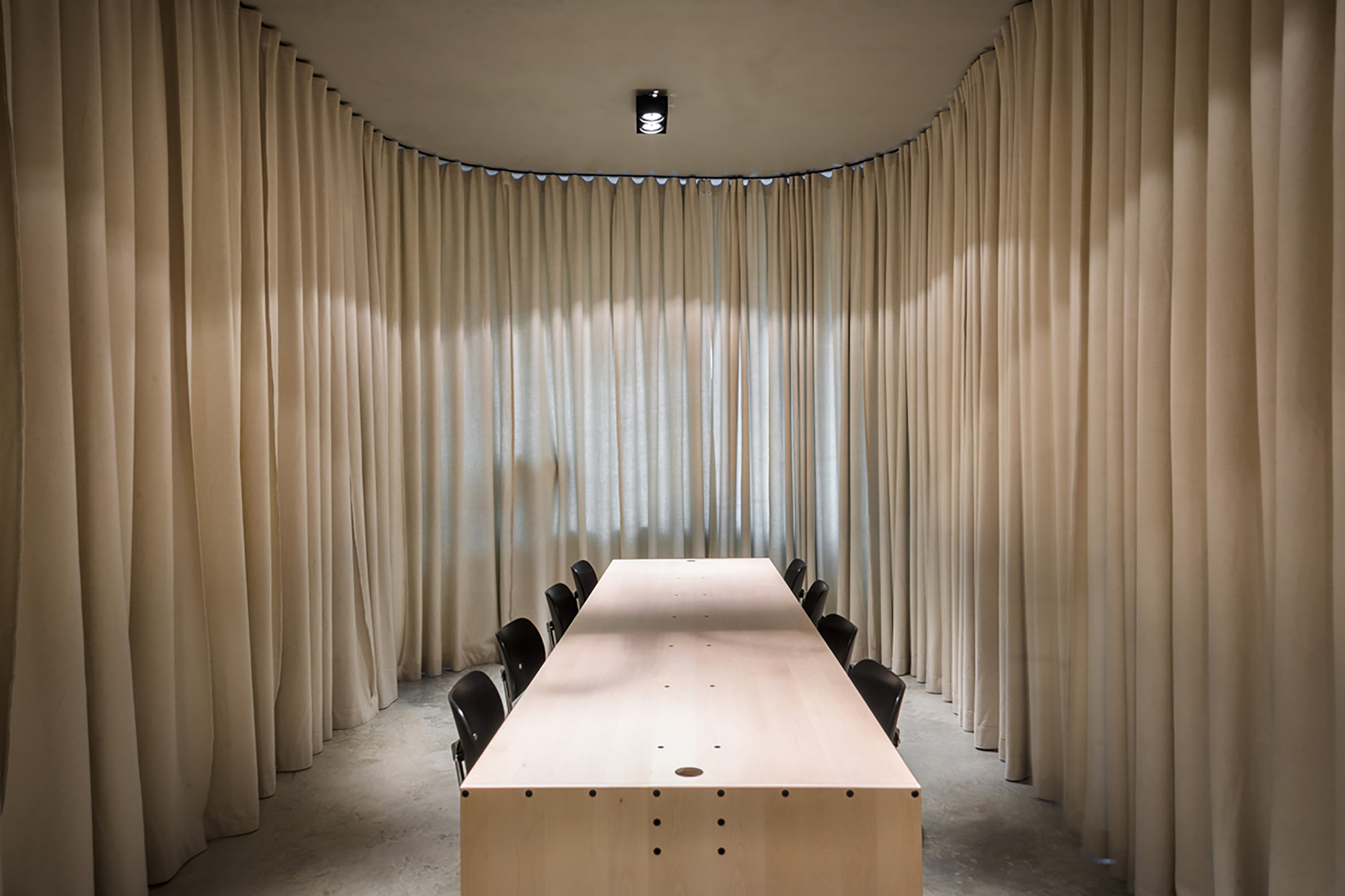
In modern workplaces, the right curtain design can help regulate sunlight, reduce screen glare, and improve the overall atmosphere of the office. Different curtain styles, fabrics, and installation methods can significantly impact how a space feels and functions. This is why many professionals researching workplace design explore resources such as office curtains ideas to understand which solutions work best for different office layouts.
Understanding the various aspects of office curtain selection can help organizations create comfortable workspaces that support productivity, employee well-being, and professional aesthetics.
Why curtain design plays an important role in improving workplace comfort and productivity
The design of office curtains influences how employees experience the workspace throughout the day. Lighting conditions, privacy, and room temperature can all be affected by the type of window treatment used.
Poorly controlled sunlight can lead to glare on computer screens, which causes eye strain and discomfort. On the other hand, rooms that are too dark may reduce alertness and concentration. Well-designed curtains help maintain a balanced lighting environment.
Curtain design contributes to workplace comfort in several ways:
- Reducing glare on computer screens
- Maintaining comfortable indoor lighting levels
- Improving privacy in meeting rooms
- Enhancing the visual appeal of the office
- Helping regulate indoor temperature by blocking excess sunlight
A carefully selected curtain system can therefore support both physical comfort and mental focus within the workplace.
How different curtain styles influence lighting control and screen visibility inside offices
Lighting control is one of the main reasons offices install curtains or blinds. The style of the curtain determines how effectively sunlight can be adjusted throughout the day.
Some curtain styles allow gradual light filtering, while others block sunlight almost completely.
Common lighting solutions include:
Sheer Curtains
Sheer fabrics diffuse sunlight while allowing natural light to enter the room. They create a bright but soft atmosphere that reduces glare without darkening the space.
Blackout Curtains
These curtains block most external light. They are useful for presentation rooms, training areas, or offices where screen visibility is essential.
Layered Curtains
A combination of sheer and thicker curtains allows flexible light control. Employees can adjust lighting conditions depending on the time of day.
Many workplaces combine curtains with systems like office blinds dubai to achieve precise control over sunlight while maintaining a professional appearance.
Understanding the advantages of fabric curtains compared with blinds in office environments
Both curtains and blinds are popular window treatment options for offices. However, fabric curtains offer several distinct advantages that make them suitable for many work environments.
Acoustic benefits
Fabric materials can absorb sound and reduce echo in large office spaces, making the environment quieter and more comfortable.
Aesthetic warmth
Curtains introduce soft textures that make office interiors feel more welcoming compared with purely mechanical blinds.
Flexible design options
Curtains are available in a wide range of fabrics, colors, and patterns, allowing designers to match them with the office interior theme.
Large window coverage
For offices with floor-to-ceiling windows, curtains often provide smoother coverage compared with blinds.
While blinds are practical in certain situations, curtains are frequently used in executive offices, conference rooms, and collaborative workspaces where atmosphere and design matter.
Key factors to consider when selecting curtains for conference rooms and executive offices
Conference rooms and executive spaces often require special consideration because they serve multiple functions such as meetings, presentations, and client discussions.
When selecting curtains for these spaces, several factors should be evaluated.
Privacy requirements
Meeting rooms often require privacy for discussions. Curtains with thicker fabrics can help block visibility from outside.
Light control
Presentation rooms benefit from blackout or semi-blackout curtains to ensure screens remain visible.
Professional appearance
Neutral and elegant colors such as gray, beige, or navy blue often work well in corporate environments.
Ease of operation
Curtains should open and close smoothly so employees can quickly adjust lighting during meetings.
In some offices, systems like horizontal blinds are paired with curtains to allow more precise control over sunlight direction.
How curtain colors and textures affect workplace atmosphere and employee focus levels
Color psychology plays an important role in workplace design. The colors used in curtains can subtly influence employee mood, concentration, and comfort.
Neutral colors
Shades such as white, beige, gray, and light brown create a calm and professional atmosphere. These tones are widely used in offices because they blend easily with most interior designs.
Cool colors
Soft blues and greens can promote relaxation and focus. They are often used in creative offices or collaborative spaces.
Darker tones
Darker curtains may add sophistication to executive offices but should be balanced with adequate lighting to avoid making the space feel heavy.
Texture also plays a role in the overall visual effect. Fabrics with subtle textures, such as linen blends or woven materials, add visual interest while maintaining a professional appearance.
Ways modern curtain designs can improve privacy without blocking natural daylight
Privacy is essential in many workplaces, especially in offices located in busy urban areas or buildings with large glass windows.
Modern curtain designs provide privacy while still allowing natural light to enter the room.
Common solutions include:
- Light-filtering fabrics that obscure outside visibility while maintaining brightness
- Layered curtain systems combining sheer and opaque materials
- Adjustable curtain panels that allow partial coverage of windows
These options ensure employees can work comfortably without feeling exposed to outside views.
In workplaces with open-plan layouts or glass walls, well-designed office curtain design solutions can help create private areas without major structural changes.
Comparing curtain systems and blinds for different types of office window layouts
Different office buildings have different window configurations. Choosing the right window treatment depends on the shape, size, and orientation of the windows.
Large glass walls
Curtains are often the preferred option for large windows because they create smooth coverage and enhance the visual balance of the room.
Narrow vertical windows
Blinds may work better for narrow windows because they allow precise adjustment of light direction.
Floor-to-ceiling windows
Curtains are commonly used for tall windows because they create an elegant and continuous look.
Corner windows
Flexible curtain systems can wrap around corners and maintain consistent coverage.
When designing office interiors, architects and designers evaluate the window layout to determine whether curtains, blinds, or a combination of both will provide the best functionality.
Practical tips for coordinating office curtain styles with modern workplace interior design
Curtains should not be chosen in isolation. Instead, they should complement the broader office design.
Here are several practical tips for coordinating curtain styles with workplace interiors.
1. Match the overall design theme
Modern offices often use minimalistic curtain styles with simple fabrics and neutral colors.
2. Consider natural lighting patterns
Understanding how sunlight enters the office throughout the day helps determine the most suitable curtain type.
3. Maintain visual consistency
Using the same curtain style across multiple rooms creates a cohesive design throughout the office.
4. Choose durable materials
Office curtains are used frequently, so fabrics should be durable and easy to maintain.
5. Integrate with other design elements
Curtains should complement flooring, wall colors, furniture, and lighting fixtures to create a unified interior design.
When coordinated properly, curtains can enhance the workplace environment while remaining functional and practical.
Conclusion
Office curtains play a vital role in shaping the comfort, functionality, and visual appeal of modern workplaces. From controlling sunlight and reducing glare to improving privacy and enhancing interior design, the right curtain system can significantly improve the working environment.
By understanding how different curtain styles, fabrics, and colors affect lighting and productivity, organizations can create office spaces that support both efficiency and employee well-being. Careful consideration of window layout, design themes, and practical requirements ensures that office curtains contribute positively to the overall workplace experience.
FAQs
Why are curtains important in office interior design?
Curtains help control natural light, reduce glare on screens, improve privacy, and enhance the overall appearance of the office environment.
How do office curtains help control sunlight and glare?
Curtains can filter or block sunlight depending on the fabric used. Sheer fabrics soften bright light, while thicker materials reduce glare and improve screen visibility.
Are curtains better than blinds for workplace environments?
Both options have advantages. Curtains offer softer aesthetics and better coverage for large windows, while blinds provide precise control over light direction.
What curtain styles work best for meeting rooms or conference spaces?
Blackout or layered curtains are often ideal for meeting rooms because they allow flexible light control during presentations or discussions.
How can curtain colors influence productivity and workplace comfort?
Neutral and calming colors can create a balanced work atmosphere, helping employees maintain focus and reducing visual distractions.
