
Modern interior design continues to evolve as homeowners and businesses search for practical and visually appealing ways to dress their windows. Curtains remain one of the most important elements of interior décor because they influence light control, privacy, and the overall atmosphere of a room. Among the many styles available today, wave curtains have become increasingly popular due to their clean lines and modern appearance.
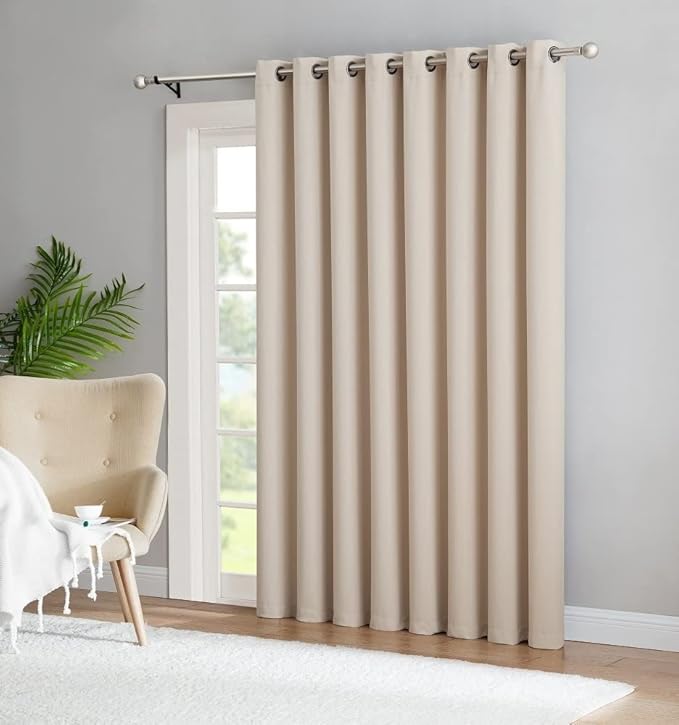
Wave curtain systems are designed to create smooth, flowing folds that run consistently across the width of the curtain. Unlike traditional curtain styles that rely on fixed pleats, wave curtains use specialized tracks and gliders that allow the fabric to move in a continuous wave-like pattern. This design creates a sleek and contemporary aesthetic that works particularly well in modern homes, offices, and hospitality spaces.
Many interior designers and homeowners researching modern window solutions often explore styles such as wave curtains dubai because they combine functionality with minimalistic elegance. Understanding how these curtains work and what makes them unique can help people choose the right window treatment for their space.
Understanding the structure and mechanism behind wave curtain systems used in modern interiors
Wave curtains rely on a specialized track system that controls the spacing and movement of the curtain fabric. The track contains evenly spaced gliders connected with cords, which guide the curtain fabric into soft, uniform waves.
Key structural components include:
- Curtain track system – mounted on the wall or ceiling to support movement
- Gliders or carriers – evenly spaced mechanisms that hold the fabric
- Curtain tape – stitched into the fabric to create uniform wave spacing
- Curtain fabric panels – lightweight or medium-weight fabrics that flow easily
When the curtain is opened or closed, the gliders move smoothly along the track, maintaining the same wave pattern throughout the entire curtain length. This system ensures that the curtain looks organized and consistent at all times.
Unlike traditional curtain systems where folds can become uneven, wave curtains maintain their elegant structure without constant adjustment.
Key differences between wave curtains and traditional pleated curtain styles in homes and offices
Traditional curtain designs often use fixed pleats such as pencil pleats, pinch pleats, or goblet pleats. While these styles can be decorative, they tend to produce a more classic appearance.
Wave curtains differ in several key ways:
- Visual appearance
- Wave curtains create smooth, continuous folds
- Traditional curtains have structured pleats and deeper folds
- Fabric usage
- Wave systems use fabric more efficiently
- Traditional pleats often require more fabric to create fullness
- Movement
- Wave curtains glide smoothly along tracks
- Traditional curtains may bunch unevenly when opened
- Style compatibility
- Wave curtains suit contemporary interiors
- Traditional pleats fit classic or ornate designs
Because of these differences, wave curtains are frequently chosen for modern apartments, offices, and hotels where simplicity and elegance are preferred.
Why wave curtain systems create a smooth and continuous fabric appearance across large windows
Large windows and glass walls are common in contemporary architecture. These expansive surfaces allow more natural light to enter spaces but require window treatments that maintain visual balance.
Wave curtain systems work particularly well for large windows because:
- The consistent wave pattern creates symmetry across wide areas
- The track system distributes fabric evenly from one end to the other
- The curtain opens and closes without disrupting the wave formation
For long window walls in living rooms, offices, or conference spaces, the wave system prevents bulky folds from accumulating on one side. Instead, the fabric stacks neatly while preserving the aesthetic flow of the curtain.
This feature is especially useful in modern interiors that prioritize clean lines and uncluttered design.
Common fabrics and materials used when designing wave curtain installations for interiors
Choosing the right fabric is essential for ensuring wave curtains maintain their elegant shape. Because the system relies on smooth draping, certain materials perform better than others.
Popular fabric options include:
Lightweight fabrics
- Sheer voile
- Linen blends
- Lightweight polyester
These materials allow gentle waves and soft light diffusion.
Medium-weight fabrics
- Cotton blends
- textured polyester
- semi-blackout fabrics
These provide better privacy and light control while still forming smooth waves.
Heavier fabrics
- velvet
- thick blackout materials
These can work with wave curtains but require stronger track systems and careful installation.
Many designers pair sheer fabrics with thicker outer curtains to balance privacy and natural light.
Natural material options like bamboo curtains are sometimes explored in outdoor spaces or patios, offering an alternative texture that complements modern interior styles.
How curtain tracks and gliding systems affect the movement and appearance of wave curtains
The track system plays a crucial role in how wave curtains function. A well-designed track ensures smooth movement and consistent folds across the entire curtain.
Important track features include:
- Evenly spaced carriers that maintain uniform wave patterns
- Durable materials such as aluminum tracks for long-term use
- Smooth gliding mechanisms to prevent friction and noise
- Ceiling or wall mounting options depending on room layout
When the curtain is pulled open, the gliders move along the track while maintaining equal spacing. This controlled movement allows the curtain to maintain its wave pattern even when fully extended.
Professional installation is often recommended to ensure the track is aligned properly and the wave spacing remains consistent.
Benefits of using wave curtain designs for contemporary residential and commercial spaces
Wave curtains offer several advantages that explain their growing popularity in modern interiors.
Visual simplicity
- Clean, uncluttered look
- Balanced folds across wide windows
Improved functionality
- Smooth opening and closing
- Consistent curtain alignment
Versatile applications
Wave curtains work well in many environments:
- living rooms
- bedrooms
- offices
- hotels
- conference spaces
Efficient use of fabric
The system typically requires less fabric compared with traditional pleated curtains.
In urban areas with many interior design options, people sometimes explore resources such as satwa curtain shops to understand the range of curtain systems available for modern spaces.
How wave curtain styles influence natural light control and room brightness throughout the day
Curtains play a major role in managing natural light inside a room. Wave curtains offer flexible light control depending on the fabric used.
Light-filtering fabrics can:
- soften harsh sunlight
- reduce glare on screens
- create a warm indoor atmosphere
Blackout fabrics provide stronger light blocking, making them ideal for bedrooms or media rooms.
Wave curtains also allow users to adjust light levels gradually. By partially opening the curtain, light can enter through the wave gaps while maintaining privacy.
In office environments, thoughtful selection of fabrics helps balance daylight with screen visibility. For example, combining sheer curtains with thicker office window curtains can create a layered solution for both brightness control and professional aesthetics.
Tips for coordinating wave curtain colors and textures with modern interior design themes
Selecting the right color and texture is essential for ensuring wave curtains blend seamlessly with the rest of the interior.
Here are several design tips:
1. Match curtain colors with dominant room tones
Neutral tones such as white, beige, gray, and soft taupe often complement contemporary interiors.
2. Consider wall and furniture contrast
Curtains can either blend with the wall color or create a subtle contrast that highlights the window area.
3. Use texture to add visual depth
Even neutral curtains can add character through textures such as:
- linen weaves
- subtle patterns
- matte or satin finishes
4. Maintain visual balance
For rooms with large windows, choosing consistent curtain colors across multiple panels helps maintain design harmony.
5. Coordinate with flooring and lighting
Curtain colors should align with flooring materials, rugs, and lighting fixtures to create a cohesive interior environment.
When thoughtfully chosen, wave curtains can become a central design element while still maintaining a minimal and modern aesthetic.
Conclusion
Wave curtains represent a modern approach to window design that combines elegance with functionality. Their smooth folds, simple structure, and efficient movement make them suitable for a wide range of residential and commercial interiors. By using specialized tracks and carefully selected fabrics, wave curtain systems create a consistent and visually pleasing appearance across both small and large windows.
From improving natural light control to enhancing the aesthetic balance of a room, wave curtains offer practical benefits that align with contemporary design principles. Understanding their structure, materials, and installation methods allows homeowners and designers to make informed choices when selecting window treatments for modern spaces.
FAQs
What makes wave curtain systems different from traditional curtains?
Wave curtain systems use a track with evenly spaced gliders that create soft, continuous folds across the fabric. Traditional curtains rely on fixed pleats, which produce deeper and more structured folds.
Are wave curtains suitable for both homes and offices?
Yes, wave curtains work well in both residential and commercial settings. Their simple design and smooth movement make them suitable for living rooms, bedrooms, offices, and conference rooms.
Do wave curtains work well with large glass windows?
Wave curtains are particularly effective for large windows because the consistent wave pattern spreads evenly across wide spaces, maintaining visual balance.
What type of curtain tracks are used for wave curtain systems?
Wave curtains typically use specialized aluminum tracks with evenly spaced carriers or gliders. These components ensure smooth movement and maintain the uniform wave pattern.
How do wave curtains affect the amount of natural light entering a room?
The amount of light depends on the fabric used. Sheer fabrics allow soft daylight to filter through, while heavier blackout materials can significantly reduce light entering the room
