
Choosing the perfect window treatment for your home can be both exciting and challenging. Among the variety of options available, lace curtains stand out for their elegance, versatility, and timeless appeal. They offer a delicate balance between allowing natural light to flow into a room while maintaining a level of privacy. Understanding the intricacies of lace curtains, from materials to installation techniques, can help you make informed decisions for your interior spaces.
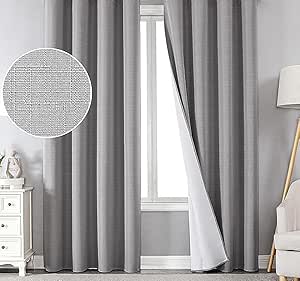
Lace curtains have been a staple in home décor for centuries, offering a classic aesthetic that complements both traditional and modern interiors. Unlike heavier drapes, lace curtains create an airy, open atmosphere, softening sunlight and adding a touch of sophistication to any room. However, selecting the right style, fabric, and accessories requires careful consideration of functionality, aesthetics, and maintenance requirements.
This article will provide an in-depth guide to choosing the best lace curtains, exploring materials, installation tips, styling ideas, and maintenance strategies to ensure that your windows remain beautiful and functional for years to come.
Understanding the Different Types of Lace Curtains Available in the Market
Lace curtains come in a wide variety of patterns, weaves, and textures, each suited for different types of rooms and décor styles. Some of the most common types include:
- Chantilly Lace Curtains: Known for their fine, intricate patterns, these curtains bring a romantic and elegant vibe to living rooms or bedrooms.
- Bobbin Lace Curtains: Created using traditional bobbin techniques, these often feature geometric or floral designs and are perfect for vintage-inspired spaces.
- Crochet Lace Curtains: Handmade crochet lace provides a unique, textured look, offering a cozy and artisanal touch to any interior.
- Machine-Made Lace Curtains: Affordable and widely available, machine-made lace curtains mimic the look of handmade lace but are easier to maintain and install.
Choosing the right type depends on the ambiance you wish to create. For example, lighter, finer lace works well in sunlit rooms to diffuse light softly, while heavier, patterned lace may add visual interest and texture to larger spaces.
How Lace Curtains Enhance Natural Light While Maintaining Privacy
One of the primary reasons homeowners choose lace curtains is their ability to balance natural light with privacy. The open weave of lace allows sunlight to filter gently into a room, reducing harsh glare while creating a soft, diffused illumination.
Privacy is maintained because the intricate patterns obscure clear visibility from the outside. In living rooms and dining areas, lace curtains can act as a subtle screen, allowing residents to enjoy natural daylight without fully exposing the interior. When layered with other window treatments such as heavier drapes or blinds, lace curtains offer additional versatility in controlling both light and privacy.
Materials Commonly Used for High-Quality Lace Curtains
The material used in lace curtains significantly affects their appearance, durability, and ease of maintenance. Some popular materials include:
- Cotton: Soft, breathable, and easy to wash, cotton lace provides a natural look and is ideal for casual or country-style interiors.
- Polyester: Durable and resistant to wrinkles, polyester lace is low-maintenance and retains its shape well, making it suitable for high-traffic areas.
- Silk or Rayon Blends: These materials add a luxurious sheen and elegance to lace curtains, although they may require professional cleaning.
- Linen: Linen lace offers a textured, natural feel, ideal for rustic or minimalist décor.
Each material comes with its pros and cons, so understanding your home’s lighting, humidity, and maintenance requirements is crucial before making a selection.
How to Measure Windows Accurately for Lace Curtains Installation
Accurate measurement is key to ensuring that lace curtains hang beautifully and function properly. Follow these steps for precise measurement:
- Width Measurement: Measure the full width of the window frame and add 20–30% for gathering, which creates natural folds and a fuller appearance.
- Length Measurement: Measure from the top of the window frame or rod placement to the desired curtain length, typically just below the window sill or to the floor for a more dramatic effect.
- Consider Rod Placement: Leave space above the window frame if the curtains will be mounted on curtains rods to create a sense of height and allow easy operation.
- Check for Obstacles: Account for radiators, furniture, or other obstructions that may interfere with curtain installation.
Proper measurements ensure that your lace curtains fit perfectly and enhance the overall room aesthetic.
The Role of Curtain Rods in Supporting Lace Curtains Properly
Curtain rods play a vital role in both the functionality and visual appeal of lace curtains. Selecting the right rod ensures that delicate lace is supported evenly and drapes gracefully.
- Material and Strength: Lightweight lace requires a rod that provides adequate support without bending. Metal or reinforced wooden rods are ideal.
- Decorative Finials: Choose finials that complement the lace pattern and room décor.
- Installation Tips: Secure rods properly using brackets that can handle the curtain weight. This helps prevent sagging or uneven folds.
- Adjustability: Telescopic rods allow easy resizing to fit different window widths, adding versatility.
Using well-chosen rods prevents damage to the lace and maintains the curtain’s aesthetic charm over time.
Styling Tips: Combining Lace Curtains with Other Window Treatments
Lace curtains can be styled alone or layered with other treatments for added functionality and design appeal. Consider these combinations:
- Layering with Heavy Drapes: Pairing lace with thicker drapes offers flexibility in controlling light and privacy. Open the drapes during the day for natural light and close them at night.
- Adding Roller Shades: Lightweight roller shades behind lace curtains allow more precise light control while maintaining the airy feel.
- Using Tiebacks and Holdbacks: Decorative tiebacks enhance the visual appeal and allow partial exposure of the window.
- Mixing Patterns: Subtle patterns or textures can add depth without overwhelming the delicate lace design.
Layering techniques provide both practical benefits and a polished look that complements various interior styles.
Maintenance and Cleaning Techniques for Long-Lasting Lace Curtains
Lace curtains require careful maintenance to retain their delicate structure and appearance. Here are effective cleaning strategies:
- Gentle Hand Wash: Use mild detergent in lukewarm water to avoid shrinking or damaging the lace.
- Machine Wash with Care: Place lace curtains in a mesh bag and select a gentle cycle to minimize wear.
- Drying: Air-dry curtains flat or hang them using a padded rod to prevent stretching.
- Ironing: Use a low heat setting with a pressing cloth to smooth wrinkles without damaging fibers.
- Regular Dusting: Light dusting with a vacuum attachment or lint roller prevents buildup and reduces the need for frequent washing.
Additionally, if your lace curtains become worn or slightly damaged, professional services like blinds repair near me can help restore them effectively.
Comparing Lace Curtains with Other Types of Curtains for Interior Design
Lace curtains offer a unique aesthetic and functional benefit, but it is useful to understand how they compare with other window treatments:
- Sheer Curtains: Similar in light filtering, but lace adds decorative patterns and texture.
- Blackout Curtains: Block light completely, unlike lace, which allows a soft glow.
- Thermal Curtains: Provide insulation benefits; layering them with lace can combine functionality and elegance.
- Roman Shades: Sleek and minimalistic, offering different design dynamics; lace curtains add softness in contrast.
This comparison helps homeowners decide when lace curtains are the best choice for style, light control, and privacy.
Eco-Friendly Options: Bamboo Curtains for Balconies as Sustainable Alternatives
For those seeking sustainable options, incorporating bamboo curtains for balcony alongside lace curtains can enhance eco-conscious interior design. Bamboo is a renewable resource, durable, and adds a natural aesthetic to outdoor or semi-outdoor spaces.
Bamboo curtains can provide additional privacy for balcony areas while complementing indoor lace curtains. Their breathable structure allows air circulation, making them ideal for warm climates. By combining materials thoughtfully, homeowners can achieve both elegance and sustainability in their window décor.
How to Address Damage or Wear Using Professional Services
Despite careful maintenance, lace curtains may develop tears or fraying over time. Engaging professional services ensures proper restoration without compromising delicate fabrics. Key considerations include:
- Inspection and Assessment: Professionals evaluate the extent of damage and recommend appropriate repairs.
- Stitching and Reinforcement: Small tears or loose threads can be repaired with precise stitching techniques.
- Replacement of Components: Rods, hooks, or rings can be replaced to restore functionality.
- Regular Maintenance Plans: Some services offer periodic checks to prolong the life of curtains.
Accessing reliable solutions such as blinds repair near me ensures that your lace curtains remain a beautiful and functional feature of your home for years to come.
Conclusion
Selecting the best lace curtains involves careful consideration of style, materials, installation, and maintenance. From enhancing natural light to adding elegance and texture to interiors, lace curtains are a versatile and timeless choice for homeowners. By understanding the different types, proper measurement techniques, and complementary window treatments, you can create a harmonious and functional space.
Integrating eco-friendly alternatives like bamboo curtains and ensuring proper support through quality rods enhances both aesthetics and durability. Regular cleaning and professional repairs help maintain the charm and longevity of these delicate fabrics. Ultimately, well-chosen lace curtains transform windows into a focal point, combining beauty, practicality, and sophistication.
FAQs
- What are lace curtains made of?
Lace curtains are typically made from materials such as cotton, polyester, silk, rayon blends, or linen. The choice of material affects the curtain’s texture, durability, and appearance. - How do I measure my windows for lace curtains?
Measure the width and height of your window and add extra for gathering and rod placement. This ensures the curtains hang evenly and cover the window adequately. - Can lace curtains provide enough privacy?
Yes, lace curtains obscure clear visibility from the outside while allowing natural light to enter. Layering with other treatments can increase privacy further. - How do I clean delicate lace curtains?
Gentle hand washing or a careful machine wash in a mesh bag is recommended. Air-dry flat or hang using padded rods and use low heat ironing if necessary. - What are the benefits of using bamboo curtains for balconies?
Bamboo curtains are eco-friendly, durable, allow airflow, and provide privacy for outdoor or semi-outdoor spaces while complementing indoor lace curtains. - How do curtain rods affect the durability of lace curtains?
Properly chosen and installed rods provide even support, prevent sagging, and enhance the curtain’s appearance, extending their lifespan.
7. Can I mix lace curtains with blinds in my home?
Yes, layering lace curtains with blinds allows you to control light, add texture, and create a stylish, versatile window treatment.
